
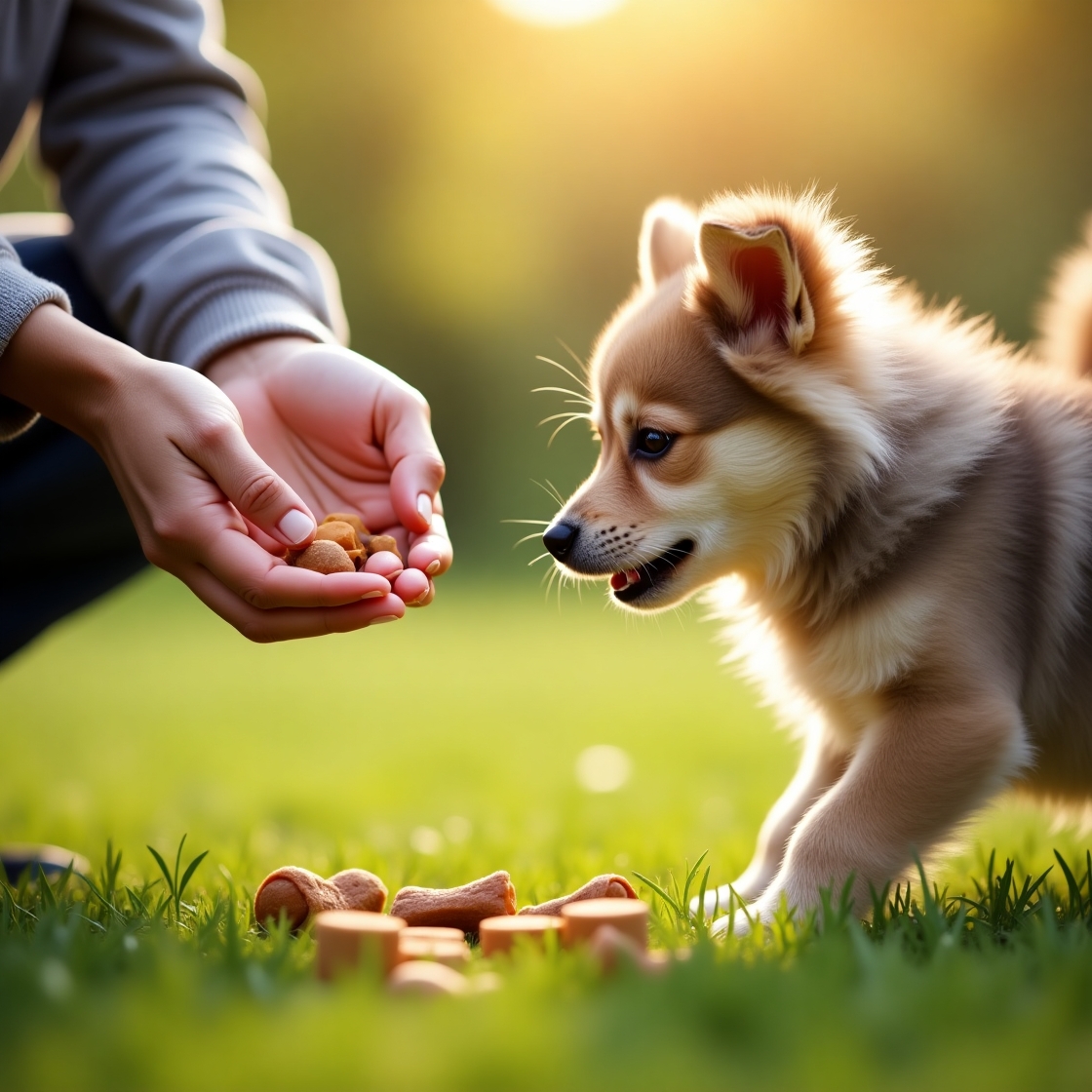

Dog aggression isn’t just a “bad dog” problem. It’s a communication problem—and if you don’t handle it the right way, you’re setting yourself up for stress, vet bills, and maybe even a lawsuit.
I know this firsthand. My own dog, a rescue with a rough past, went from lunging at strangers to being the calmest dog on the block. It didn’t happen overnight, but once I cracked the code, everything changed.
In this guide, I’ll break down: ✅ Why dogs get aggressive (it’s not what you think)
✅ The biggest mistake owners make that makes it worse
✅ Proven strategies to stop aggression before it starts
Let’s get into it.
What Causes Dog Aggression? (It’s Not Just “Bad Training”)
Most people assume aggressive dogs are just poorly trained or mean by nature. Wrong.
👉 Aggression is a symptom, not the root problem.
Here’s what’s really happening:
1️⃣ Fear & Anxiety: The #1 cause. If a dog feels trapped or threatened, it fights back. This is why punishing aggression makes it worse—you’re confirming their fear.
2️⃣ Lack of Socialization: Dogs that haven’t been exposed to people, places, or other dogs early in life are more likely to react aggressively.
3️⃣ Pain or Medical Issues: Dogs in pain (even from minor injuries) can snap suddenly. If aggression comes out of nowhere, get a vet checkup.
4️⃣ Protective Instincts: Some dogs are naturally more territorial. Without the right boundaries, this can turn into full-blown aggression.
5️⃣ Bad Owner Energy: Dogs mirror their owners. If you’re nervous, they’ll pick up on it and react accordingly.
Now that we know what’s behind the behavior, let’s talk about how to fix it.
How to Stop Dog Aggression (Without Force or Fear)

I made a ton of mistakes when trying to fix my dog’s aggression. The biggest? I tried to “discipline” the aggression out of him. That doesn’t work. Dogs don’t understand punishment the way humans do.
What worked instead was rewiring how he saw the world. Here’s how:
1. Control the Environment (Stop Accidents Before They Happen)
If your dog gets aggressive in certain situations, don’t keep testing their limits.
❌ Don’t let them “face their fears” by throwing them into scary situations.
✅ Instead, control their world so they only experience things in a way they can handle.
Example: If they react to other dogs, don’t walk them in crowded parks—walk them in low-traffic areas and gradually work up to busier places.
2. Train a Default “Calm” Behavior
Most aggressive dogs react before thinking. Your job? Teach them a replacement behavior.
Try this:
-
Every time they see a “trigger” (like another dog), reward them for looking at you instead.
-
If they’re too reactive to even focus, you’re too close. Back up and try again.
-
Over time, they’ll learn: Trigger = Look at Owner = Good Things Happen.
3. Build a Rock-Solid Relationship
Your dog needs to trust you more than they fear the world. That means:
-
Stop yelling (it makes you unpredictable).
-
Be consistent—dogs feel safe when they know what to expect.
-
Play with them daily. Play isn’t just fun—it teaches self-control.
4. The “Find It” Game for Aggression
This one’s a game-changer. Instead of reacting aggressively, train your dog to sniff for treats when they’re triggered.
How it works:
-
Before they get reactive, toss a treat on the ground and say “Find it!”
-
Their nose engages, their brain calms down, and they’re too busy searching to react.
-
Repeat until this becomes their default response instead of aggression.
Final Thoughts: Aggression is a Fixable Problem
Most aggressive dogs aren’t “bad dogs.” They just need a smarter approach.
If you:
✅ Control their environment
✅ Teach calm behaviors
✅ Build trust through play and consistency
…you’ll see huge improvements fast.
If you’re struggling, don’t wait until it gets worse. The sooner you fix aggression, the safer (and happier) both you and your dog will be.
Got a question? Drop it below—I’m happy to help. 🚀
