
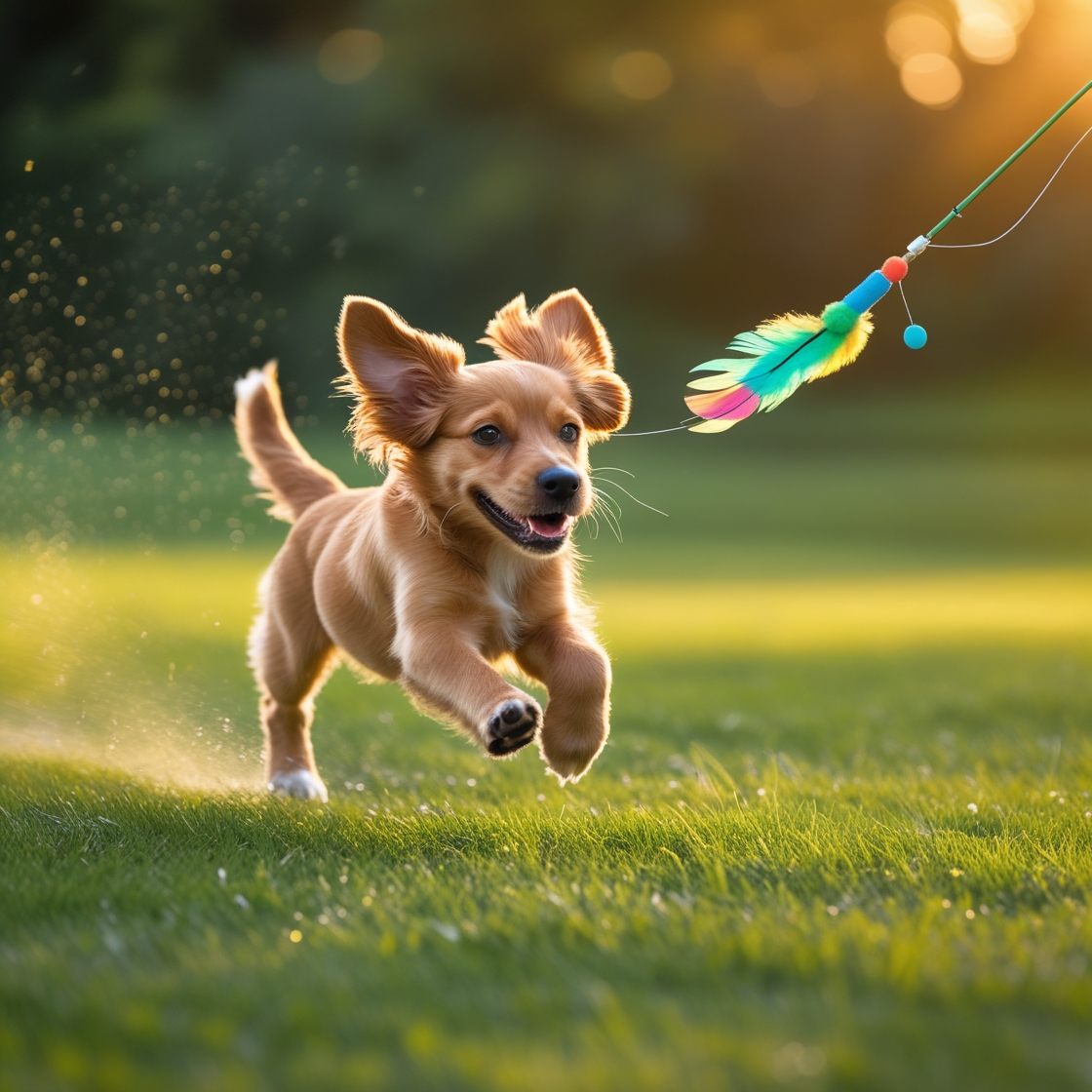

For the longest time, I thought my dog just wasn’t into playing.
I’d throw a ball—he’d chase it once, then wander off. I bought expensive toys—he ignored them. Even at the dog park, he’d sniff around for a few minutes before lying down like a grumpy old man.
I figured he just wasn’t a playful dog.
I was wrong.
The problem wasn’t him—it was me. I wasn’t giving him the right kind of play. I wasn’t tapping into his instincts, challenging his brain, or keeping things interesting.
So I made a few changes. Small tweaks.
And suddenly?
He went from lazy and uninterested to obsessed with playtime. He’s running, jumping, solving puzzles, and—get this—actually listening to me.
This isn’t just about wearing your dog out. It’s about engaging their mind and instincts—making playtime feel like a real, rewarding experience for them.
Here’s exactly how I did it—and how you can too.
1. Fetch—But With a Trick
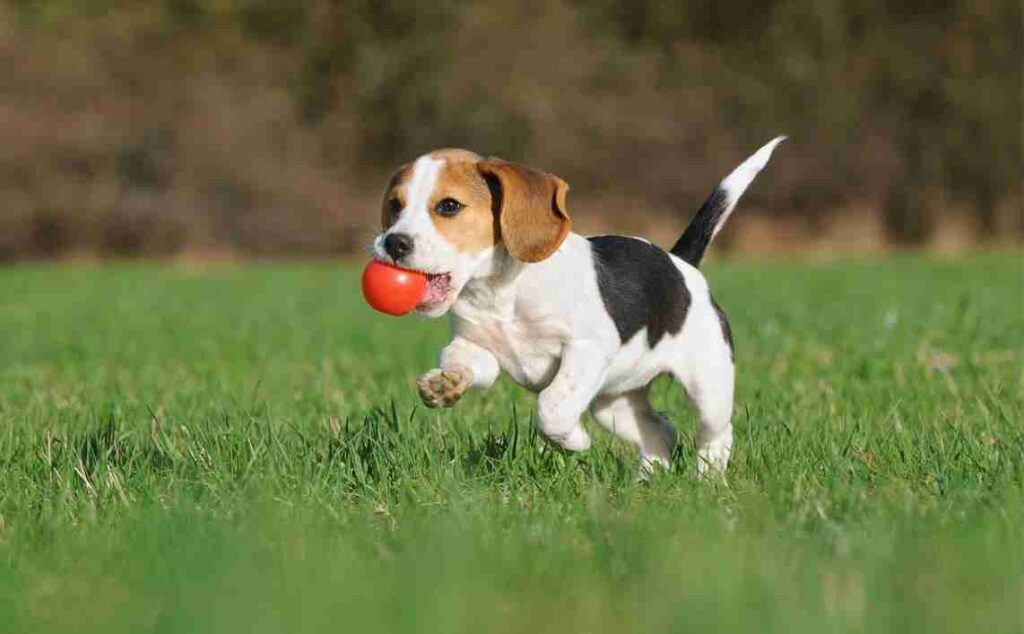
Why Regular Fetch Gets Boring
Fetch seems like a go-to game, but here’s the problem:
- If you throw the ball in the same way every time, your dog gets used to it and loses interest.
- If your dog doesn’t naturally retrieve, they may just chase the ball and not bring it back.
- Some dogs (like mine) would rather play “keep away” than actually return the ball.
How to Fix It (And Make Fetch Exciting Again)
1. Add a Fake Throw
This taps into your dog’s chase drive and keeps them guessing.
- Pretend to throw the ball but keep it in your hand.
- Watch your dog take off running—then toss it in the opposite direction.
- They’ll be mentally engaged and physically active at the same time.
2. Use Two Balls
If your dog won’t bring the ball back, try this:
- Keep a second ball in your hand.
- The moment your dog catches the first ball, show them the second one.
- Most dogs will drop the first ball in excitement, making it easy to keep the game going.
3. Throw in Different Directions
Instead of throwing straight ahead:
- Bounce the ball to make it unpredictable.
- Toss it behind a bush or small obstacle to make them search for it (engages their brain).
- If outside, try throwing downhill to get extra running energy out of them.
Fun Fact:
- Dogs don’t track moving objects as well as humans. That’s why they sometimes can’t find a ball that’s right in front of them—it’s all about motion for them!
2. Tug-of-War—The Ultimate Confidence Booster
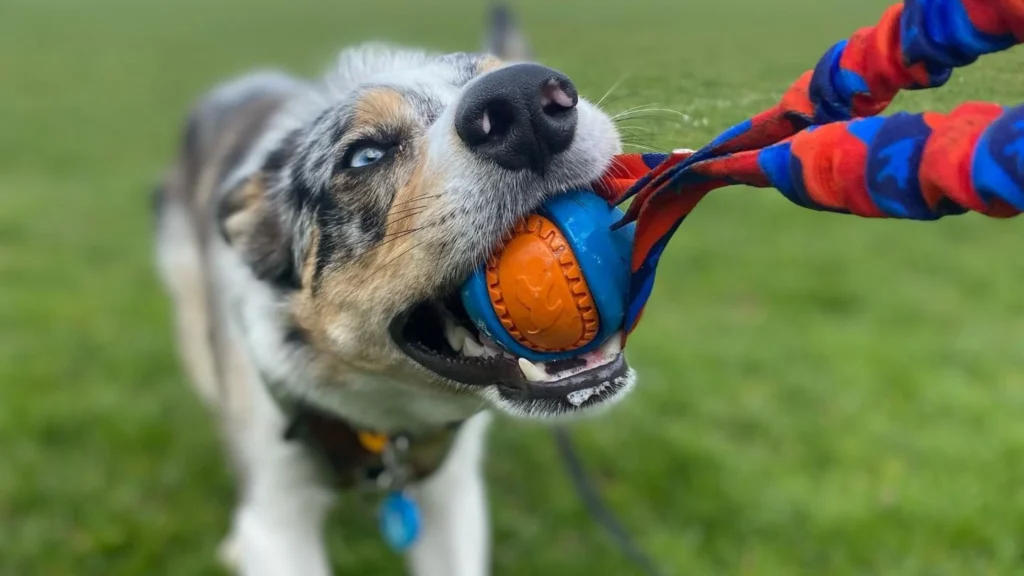
Some people think tug-of-war makes dogs aggressive. It doesn’t. In fact, studies show that dogs who play tug-of-war regularly have better impulse control.
How to Play Tug-of-War the Right Way
1. Pick the Right Tug Toy
- Avoid thin ropes that could hurt their teeth.
- Get a sturdy rope or rubber tug toy that’s easy to grip.
2. Engage, But Control the Game
- Move the toy side to side (not up and down, which could strain their neck).
- Let them tug and growl—it’s part of the fun!
- If your dog gets too intense, stop and ask for a “sit” before resuming play.
3. Let Them Win Sometimes
Dogs love the thrill of victory—so every now and then, let go of the toy.
- When your dog “wins,” their confidence skyrockets.
- They’ll be more likely to play again instead of giving up.
Pro Tip: Tug-of-war is a perfect way to teach “drop it.” After a few rounds, say “drop it,” offer a treat, and reward them when they let go.
Fun Fact:
- Dogs shake their heads during tug-of-war because, in the wild, that’s how wolves would snap the necks of prey. (Luckily, they just see this as a fun game!)
3. Hide and Seek—Engage Their Inner Hunter
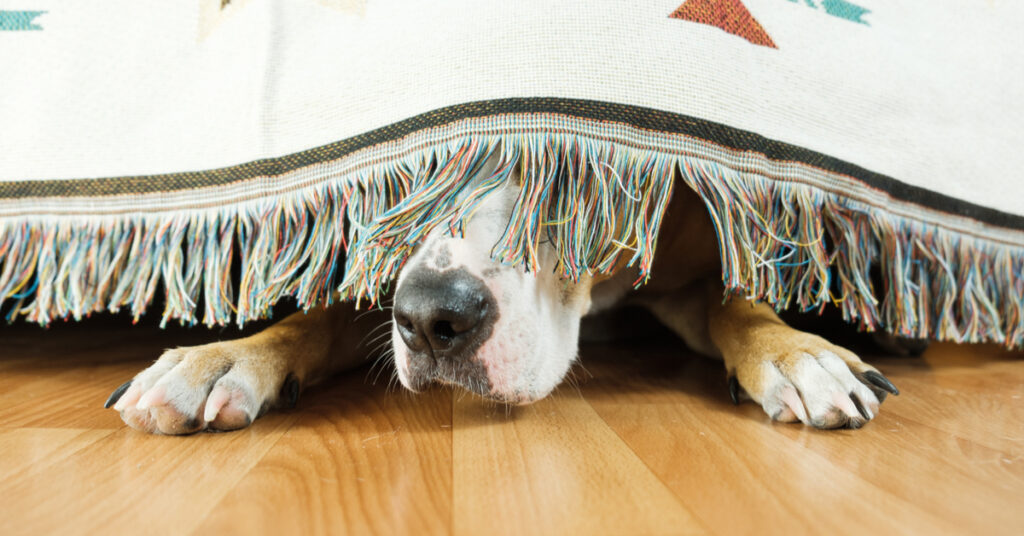
This is hands-down one of my dog’s favorite games—and it turns obedience training into an adventure.
How to Play Hide and Seek With Your Dog
1. Start Simple
- Hide behind a doorway or couch and call your dog’s name.
- When they find you, celebrate like crazy—big praise, treats, or playtime.
2. Make It Harder
- Hide in different rooms, under blankets, or behind furniture.
- If your dog struggles, give little hints (like making noises).
3. Use a Toy or Treat for Extra Motivation
- Hide their favorite toy or a smelly treat instead of yourself.
- Say “Find it!” and encourage them to sniff it out.
Why This Game Works:
- Strengthens recall training (they come when you call).
- Mentally stimulating—forces them to problem-solve.
- Mimics real-world tracking behaviors—they feel like a detective.
Fun Fact:
- Dogs can identify their owners by scent alone, even if they’ve been gone for months.
4. The “Find It” Game—Nose Work on Steroids
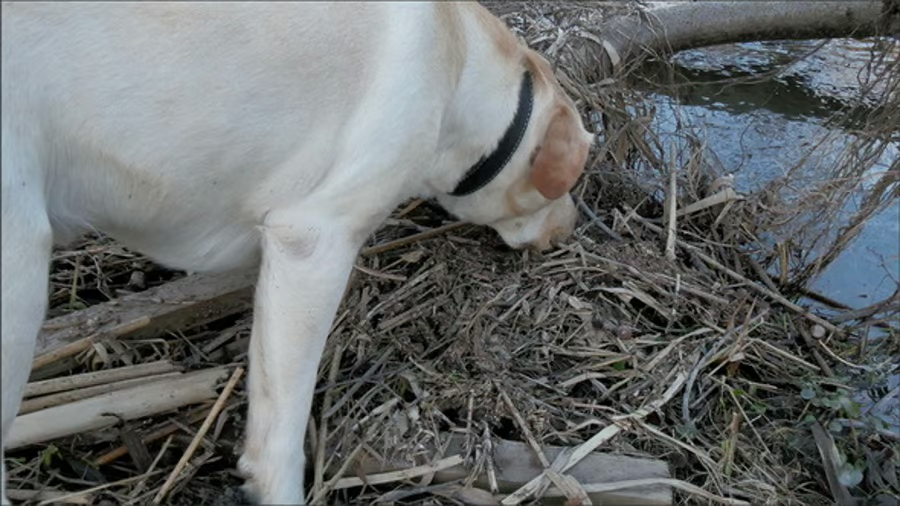
Dogs have an insane sense of smell. This game puts it to the test.
How to Play the “Find It” Game
1. Start Easy
- Show your dog a treat, let them sniff it, then place it right in front of them and say, “Find it!”
2. Increase the Challenge
- Hide treats behind furniture, under pillows, or in different rooms.
- Say “Find it!” and encourage them to sniff it out.
3. Go Pro Mode
- Use a snuffle mat (a mat with fabric strips that hide treats).
- Roll treats inside a towel or hide them inside a DIY puzzle toy.
Why This Works:
- Sniffing is mentally exhausting—10 minutes of scent work = a 30-minute walk.
- Engages instinctual problem-solving skills.
- Prevents boredom and keeps them occupied.
Fun Fact:
- A dog’s nose is so powerful that they can smell a single drop of liquid in an Olympic-sized pool.
5. Flirt Pole—The Ultimate Chase Game
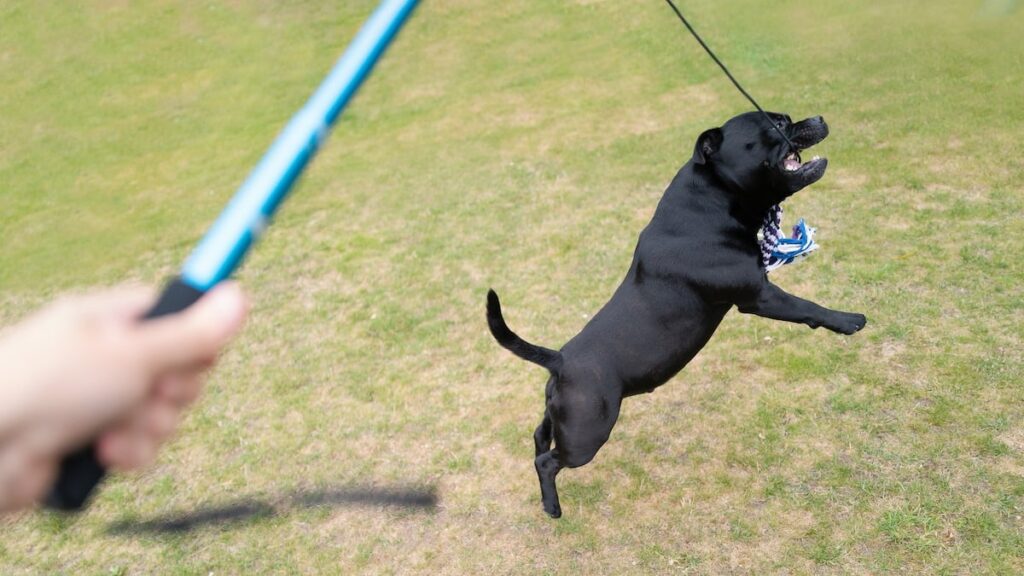
Some dogs love fetch. Others? They want something more unpredictable.
A flirt pole is basically a giant cat toy for dogs—a long stick with a rope and toy attached. You drag it around, and your dog goes nuts chasing it.
How to Use a Flirt Pole Properly
1. Get a Flirt Pole
- You can buy one online, or DIY it using a broomstick, string, and a soft toy.
- Make sure the rope is long enough to keep distance between you and your dog (so they don’t accidentally run into you).
2. Start Slow
- Drag the toy across the ground in a zig-zag pattern.
- Keep it low so your dog tracks it like real prey.
3. Add Challenge
- Move the toy in unpredictable directions—left, right, quick stops—so they have to react fast.
- Let them catch it occasionally (or they’ll get frustrated).
4. Teach “Drop It” After They Catch It
- Once your dog catches the toy, pause the game.
- Ask them to “drop it,” then start the chase again.
Why This Works:
✅ Taps into prey drive—dogs love chasing fast-moving objects.
✅ Burns energy FAST—5 minutes of flirt pole play = a 30-minute walk.
✅ Improves agility—they have to change directions quickly.
Fun Fact:
- Wolves in the wild only catch prey 15% of the time—that’s why dogs love the thrill of the chase.
6. DIY Agility Course—Backyard Style
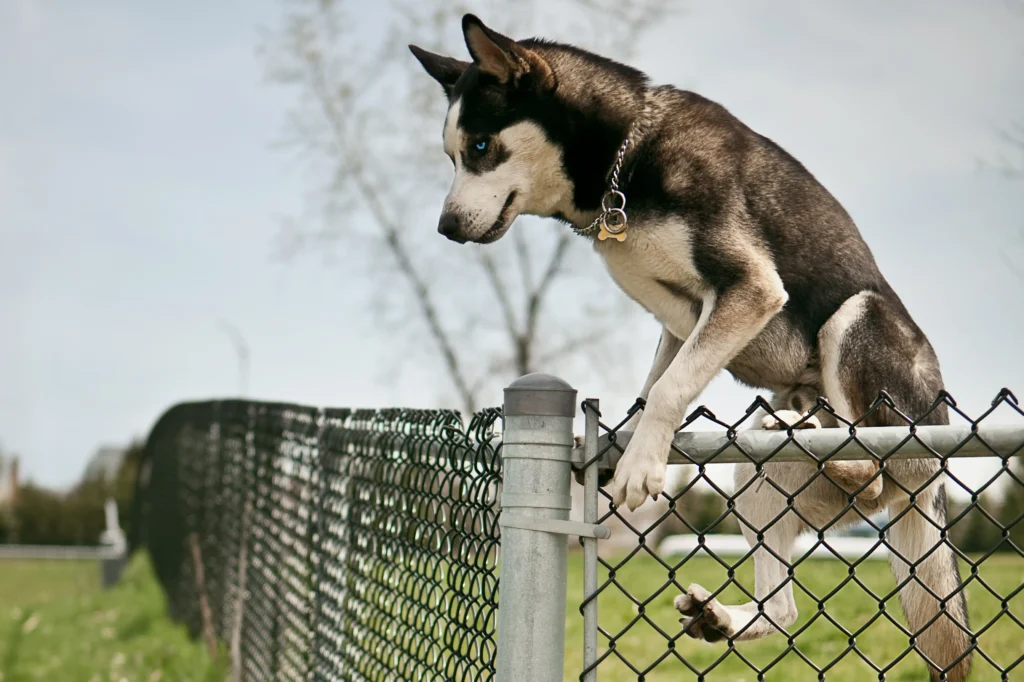
You don’t need fancy equipment to turn your backyard into an obstacle course.
How to Set Up a DIY Agility Course
1. Use Household Items
- Chairs for weaving
- Broomsticks for jumping
- Cardboard boxes for tunnels
- Hula hoops for jumping through
2. Lure Your Dog Through the Obstacles
- Use treats or a favorite toy to guide them through.
- Start simple (one obstacle at a time), then connect multiple obstacles together for a full course.
3. Increase the Challenge
- Add timed runs to make it more exciting.
- Teach them to follow hand signals instead of just treats.
Why This Works:
✅ Builds confidence—dogs love overcoming obstacles.
✅ Mentally stimulating—they have to think while they move.
✅ Great exercise—burns physical energy while engaging their brain.
Fun Fact:
- Border Collies dominate agility competitions because they can understand a command in 0.17 seconds—faster than any other breed.
7. Red Light, Green Light—Impulse Control Training
This is one of the best games for obedience training because it turns self-control into a game.
How to Play Red Light, Green Light
1. Start With “Green Light”
- Get your dog excited—use a happy voice and say, “GO!”
- Encourage them to run toward you or chase a toy.
2. Suddenly Say “STOP!”
- When you say “STOP,” stand still and stop moving.
- If your dog stops immediately, give them a big reward.
3. Repeat & Make It Harder
- Gradually increase the time before saying “STOP.”
- Try it in different environments (yard, park, etc.).
Why This Works:
✅ Teaches impulse control—dogs learn to stop even when excited.
✅ Improves recall (come when called)—because they have to focus on you.
✅ Prevents bad habits—like running after squirrels or bolting out doors.
Fun Fact:
- Police dogs use similar impulse control training to learn how to pause mid-chase on command.
8. Playdate With the Right Dog
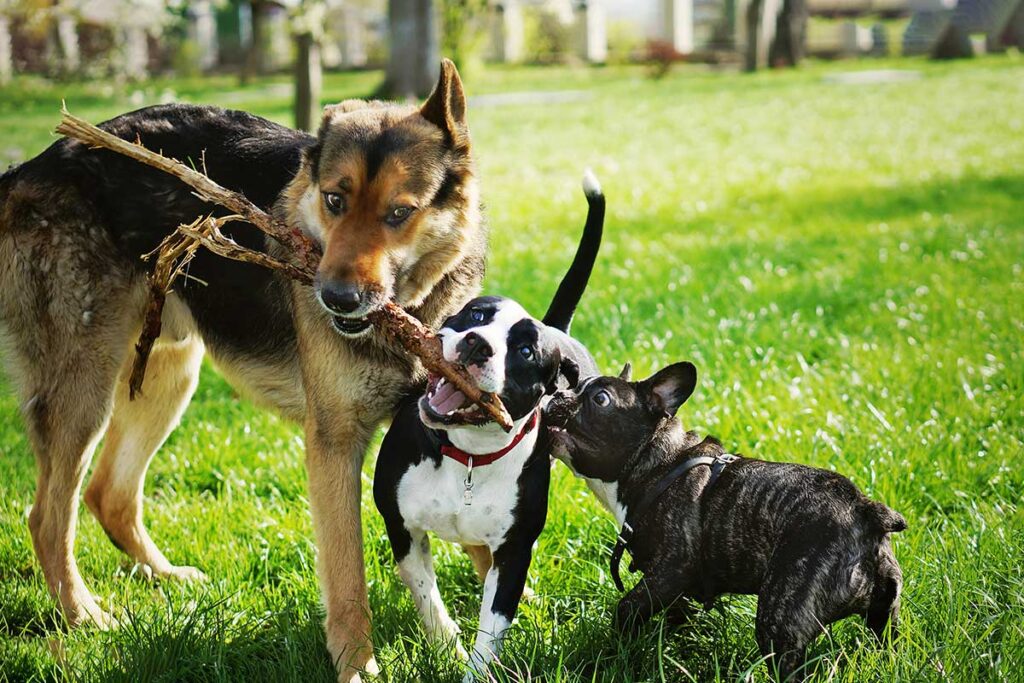
Not all dogs play the same way. Some love to wrestle, some love to chase, and some just want to sniff around.
How to Have a Successful Playdate
1. Find a Dog With a Similar Play Style
- If your dog loves to chase, pair them with another chase-loving dog.
- If they’re more into wrestling, find a gentle but sturdy playmate.
2. Keep the First Playdate Short
- 15-20 minutes max.
- Let them sniff each other first, then encourage light play.
3. Watch for Overstimulation
- If one dog is getting too rough, give a quick break.
- If one dog stops playing or walks away, respect that.
Why This Works:
✅ Socialization is key—dogs need friends just like humans do.
✅ Burns energy fast—nothing wears a dog out like playing with another dog.
✅ Reduces anxiety—social dogs are less likely to develop fear-based behaviors.
Fun Fact:
- Dogs use “play bows” (front legs down, butt up) to signal, “I’m just playing, not fighting.”
9. Water Games—For Hot Days
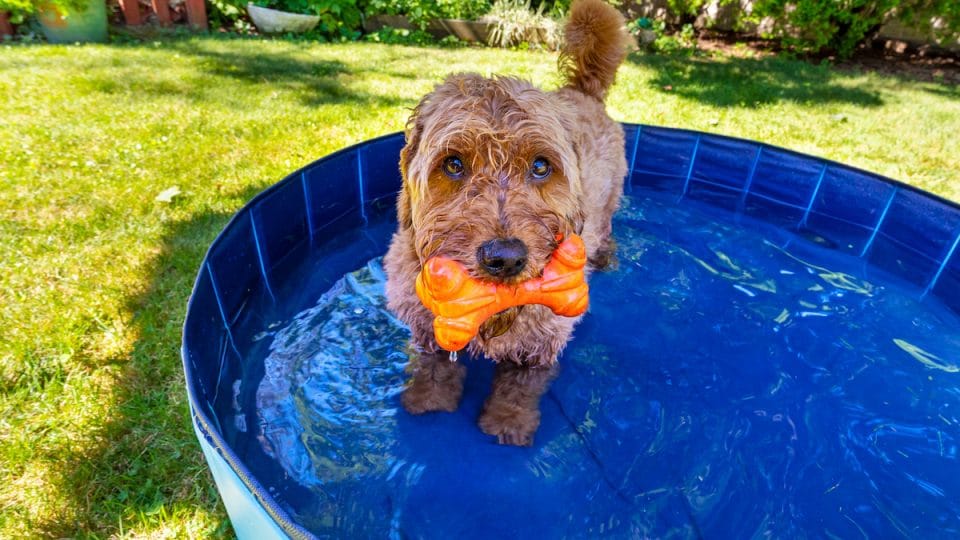
How to Turn Your Yard Into a Dog Water Park
1. Set Up a Kiddie Pool
- Fill a small pool with water and toss in floating toys to encourage splashing.
2. Use a Sprinkler or Hose
- Some dogs love to chase water from a hose.
- Use a sprinkler for extra cooling fun.
3. Try a “Bobbing for Treats” Game
- Drop apple slices or dog-safe treats into a bowl of water.
- Let your dog fish them out with their nose.
Why This Works:
✅ Keeps dogs cool in hot weather.
✅ Engages dogs who love water but hate baths.
✅ Provides a different type of sensory play.
Fun Fact:
- Labrador Retrievers have webbed feet because they were bred to retrieve fish and nets for fishermen.
10. DIY Puzzle Toys—Brain Games for Bored Dogs
Mental exercise is just as important as physical exercise.
How to Make a DIY Puzzle Toy
1. Muffin Tin Game
- Take a muffin tin and place treats in a few of the slots.
- Cover the slots with tennis balls.
- Your dog has to figure out which balls to remove to get the treats.
2. Towel Roll-Up Game
- Place treats inside a towel and roll it up tightly.
- Your dog has to unroll it to get the reward.
3. Frozen Kong Challenge
- Stuff a Kong toy with peanut butter and freeze it overnight.
- This keeps them busy for up to 30 minutes.
Why This Works:
✅ Prevents destructive behavior—because they have a problem to solve.
✅ Tires them out mentally.
✅ Great for dogs who get bored easily.
Fun Fact:
- A 15-minute puzzle-solving session is as tiring as a 45-minute walk for a dog!
Final Thoughts: The Power of the Right Play
I went from having a bored, low-energy dog to one that actually wants to play.
And the best part? He listens better, behaves better, and is 10x happier.
Try these games out—your dog will thank you. 🚀
