
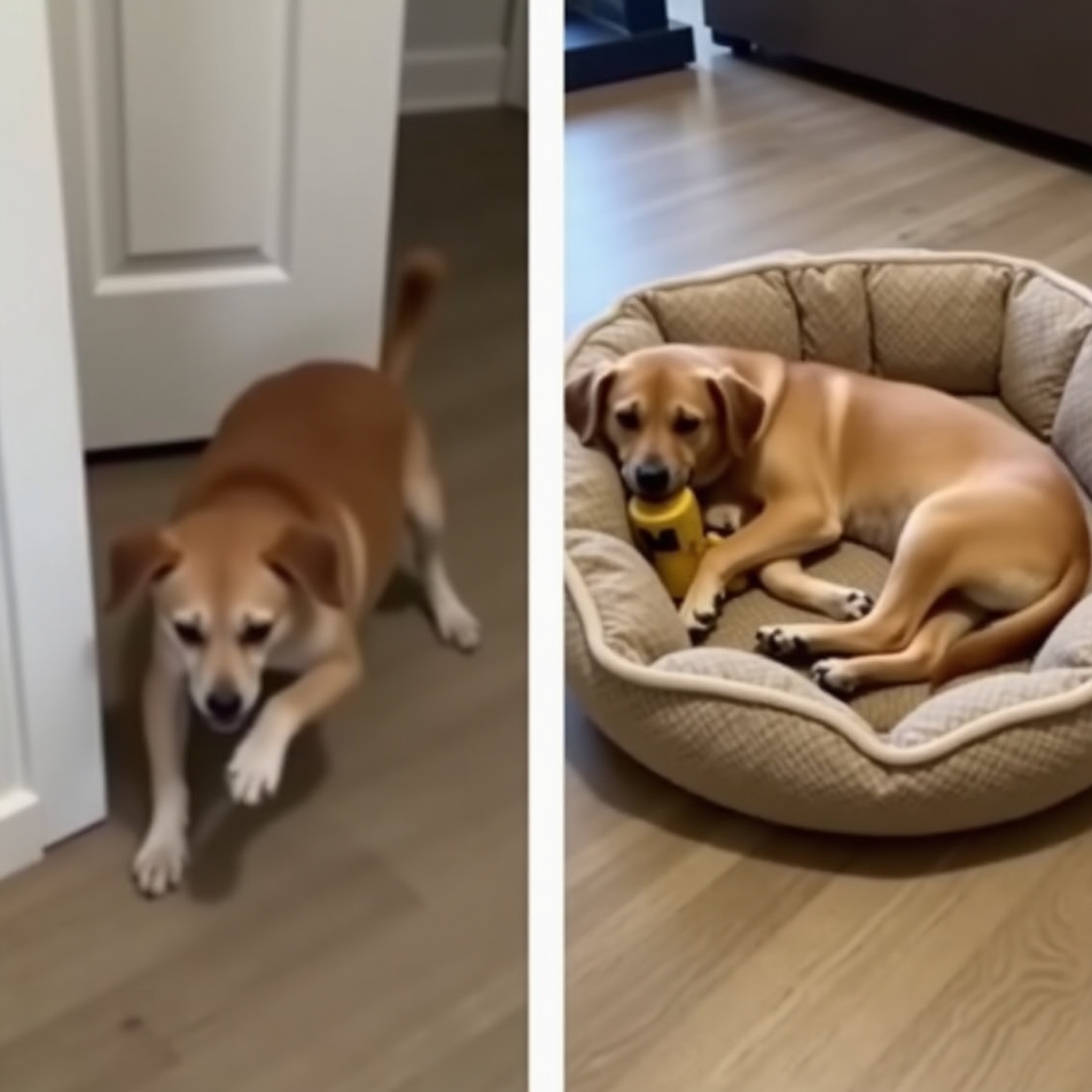

Separation anxiety in dogs is a nightmare. If you’ve dealt with it, you already know the drill—nonstop barking, chewed-up furniture, accidents in the house, and that heartbreaking panic when your dog realizes you’re leaving.
I went through it. My dog went nuclear every time I stepped out. The neighbors complained. My couch suffered. My nerves? Shot.
But here’s the truth: You can fix separation anxiety. And you don’t need expensive trainers, pills, or magic tricks. You need the right strategy.
What Causes Separation Anxiety in Dogs?
It’s not just “clinginess.” Your dog isn’t “acting out” to annoy you. Separation anxiety happens when your dog feels genuine distress about being alone. It’s often caused by:
✔️ Sudden changes (new home, new schedule, post-pandemic lifestyle shift).
✔️ Being rehomed or abandoned (common in rescues).
✔️ Lack of proper training (owners accidentally reinforce anxious behavior).
✔️ Over-dependence (dogs who are never left alone develop no coping skills).
Now, let’s talk about how to fix it.
How to Stop Separation Anxiety in Dogs—For Good
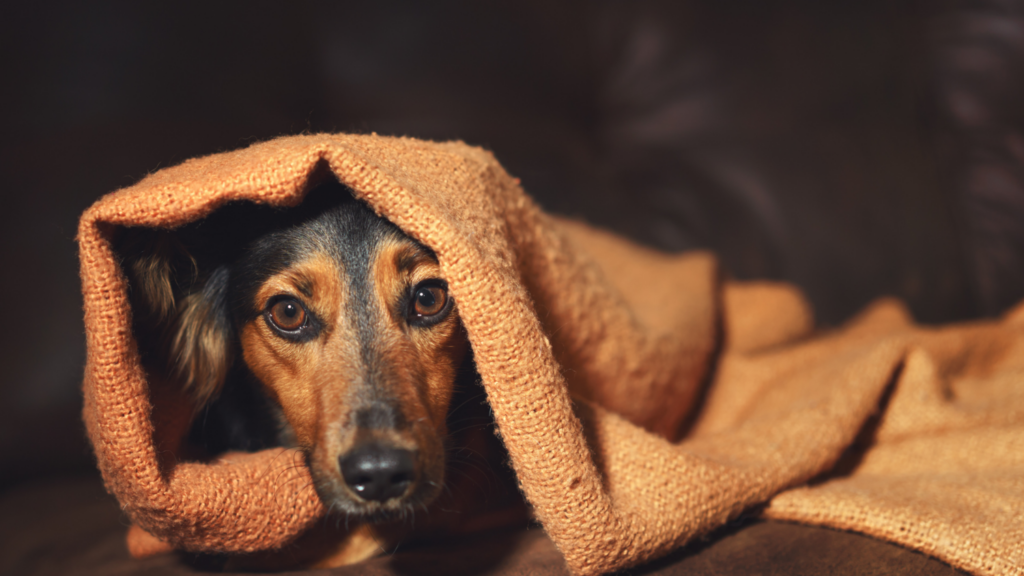
1. Stop Making a Big Deal Out of Leaving
Most dog owners mess this up. They turn departures into an emotional soap opera:
🚨 “Mommy loves you, I’ll be right back, don’t worry!” (cue dramatic belly rubs).
🚨 “I’m so sorry I have to leave you alone!” (guilt-ridden pets and treats).
This teaches your dog that leaving = bad. Instead, make leaving and returning boring:
➡ No eye contact, no talking, no fuss.
➡ Leave the house like you forgot your keys, come back like nothing happened.
Your energy sets the tone. If you act like leaving is no big deal, your dog will learn that, too.
2. Create a “Calm-Down” Ritual
You need a pre-departure routine that signals safety, not stress. Example:
🐶 Take your dog for a long walk or play session (tire them out).
🐶 Give a special “goodbye” treat (only when you leave).
🐶 Play calming music (try “Through a Dog’s Ear” on YouTube).
Consistency rewires your dog’s brain. Routine = security.
3. Train for Short Absences (Like a Pro Trainer Would)
You wouldn’t throw a kid into the deep end to “teach” them to swim, right? Same goes for your dog. Build tolerance step by step:
Week 1: Leave for 30 seconds, come back.
Week 2: Leave for 5 minutes.
Week 3: Leave for 30 minutes.
Gradually increase the time. Never return while they’re crying. That rewards anxiety. Wait for calm, then come back.
4. Give Your Dog a “Job” While You’re Gone
Dogs get anxious when they have nothing to do but stress. Fix this with:
🔵 Frozen Kongs (stuffed with peanut butter, freeze overnight).
🔵 Lick mats (soothing and mentally stimulating).
🔵 Interactive puzzle toys (engage their brain, not their anxiety).
Busy dog = calm dog.
5. Use Crate Training (The Right Way)
Crate training is magic—when done correctly. The crate should be:
✅ A safe, cozy den. Not a punishment.
✅ Introduced gradually. Feed meals inside, leave the door open, make it a happy place.
✅ Paired with calming tools. Try a heartbeat toy or a blanket that smells like you.
Dogs naturally seek enclosed spaces to relax. The crate reduces overwhelm and gives them security.
6. Ignore Bad Behavior, Reward Calm Behavior
This is HUGE. If your dog panics and you rush back inside… congratulations, you just taught them that freaking out = you return.
➡ Ignore barking, howling, or whining.
➡ Only return when they’re calm.
➡ When they relax, reward with praise and treats.
You’re shaping their brain to understand: “Calm = good things happen. Panic = nothing changes.”
Final Thoughts
If you apply these steps, your dog WILL improve. Separation anxiety isn’t a life sentence—it’s a fixable behavior issue.
It takes consistency, patience, and the right training. But if you do it right?
💥 No more barking.
💥 No more destruction.
💥 A calm, happy, confident dog who trusts that you’ll always come back.
And you? You get your peace (and your furniture) back.
Try it. Your dog will thank you.
